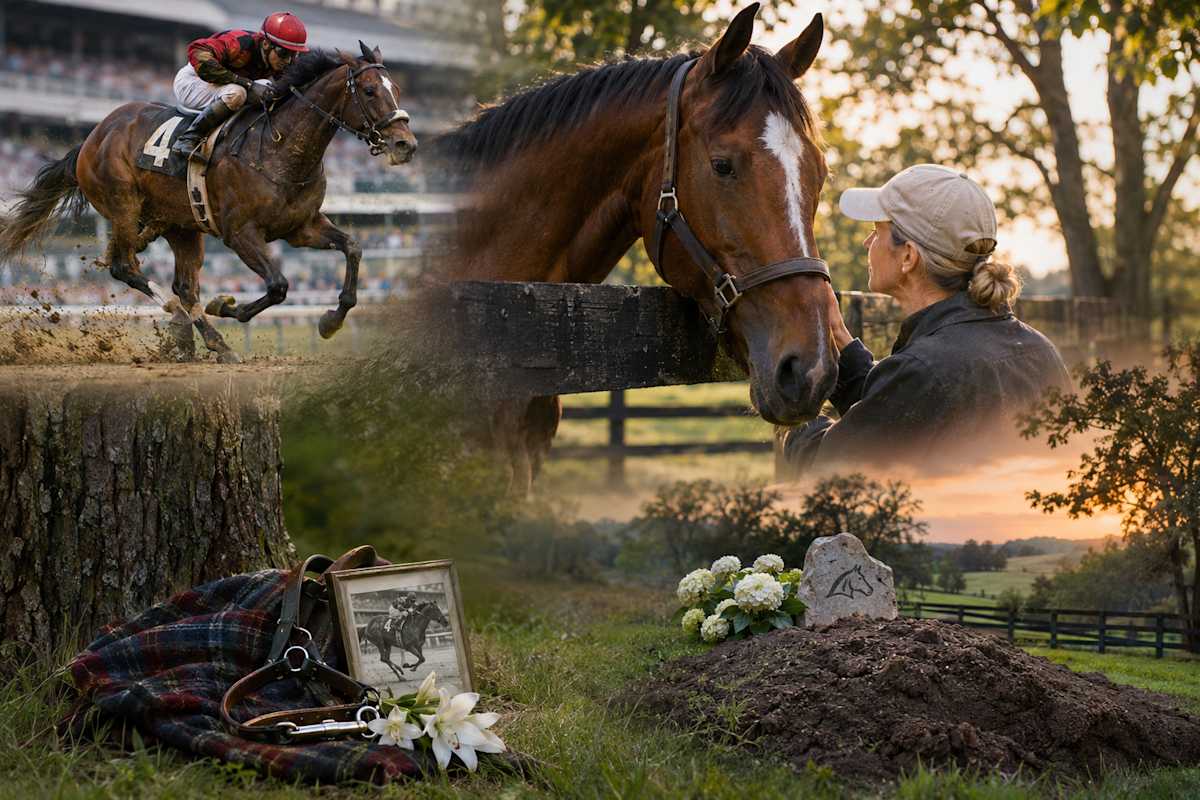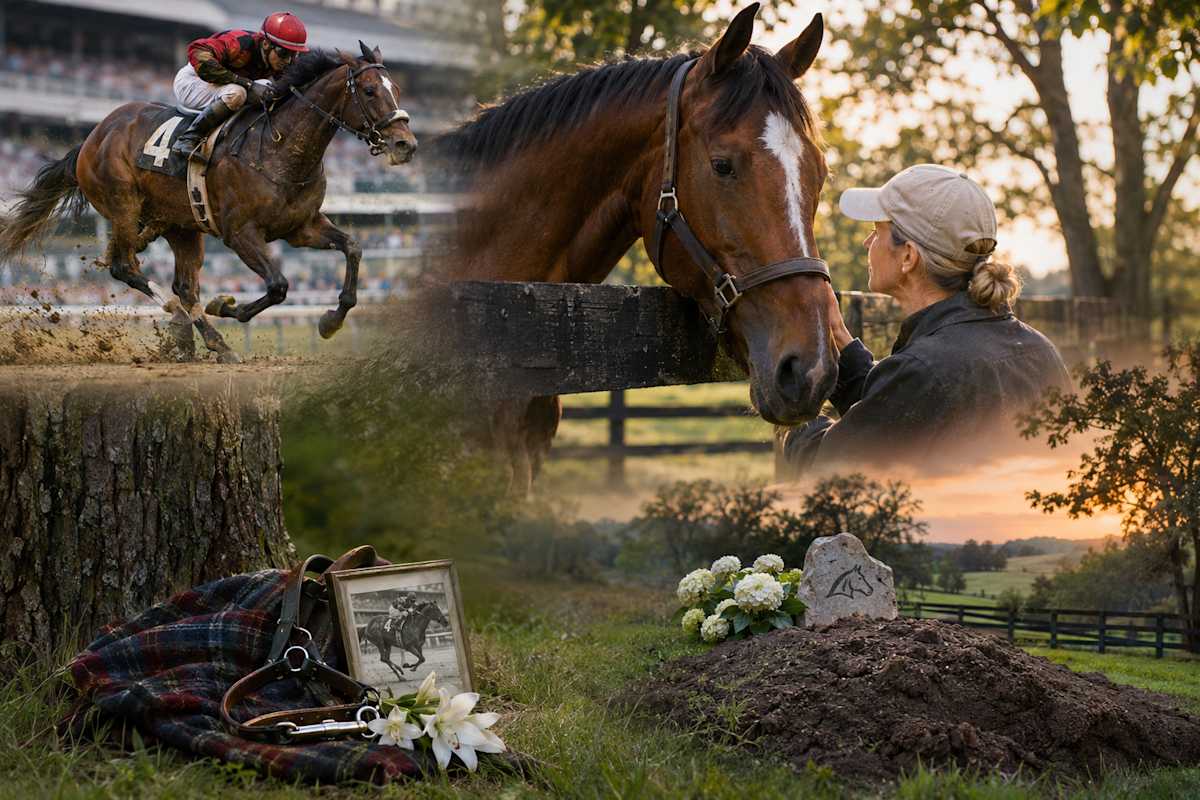
I’m talking equine body disposal here, not murder victims so you can take you fingers off that 9-1-1 call to the police.
The recent discovery of the body of a Melbourne Cup racehorse SO YOU ARE in a skip bin (Dumpster) at a landfill in Sydney, days after he came in eighth in the Melbourne Cup at Flemington on November 3, 2026, has sparked outrage and questions over the disposal of racehorses.
A shocking picture of a horse in its prime tossed in a Dumpster at Cleanaway’s Lucas Heights landfill among other cast-off trash, broken furniture, and debris hit the news. Before the whole story came out, people were up in arms over the callousness surrounding this horse’s treatment.
It turns out SO YOU ARE was euthanized after a severe bout of colic. After this unforeseen tragedy, the responsible parties were faced with the unsavory task of removing a 1200 lb carcass. In a perfect world, each horse would be treated with respect and dignity after its death, but practical concerns often take precedence.
Cleanaway landfill reps stated the horse arrived in a small tipper truck not permitted on the landfill tipping face for safety reasons, so the remains were moved to a skip bin.
According to news reports, Racing New South Wales (NSW) called the handling of the remains "distressing and completely unacceptable," and launched an investigation as well as moved to review guidelines and draft standards for handling deceased racehorses. SO YOU ARE was later properly buried.
But what is the best solution for disposal of a horse’s remains? Not everyone can bury a beloved horse on their property, indeed, it is usually against the law not to mention troublesome to hire a backhoe to dig an adequately large grave. Others are faced with calling a knacker for rendering the horse or to dump the body in a landfill. Cremation is a very expensive option and may not be available in every area. The owner is also faced with the task of body pick-up and transport.
It is not pleasant by any means, but every owner should research the options, decide what amount of money will be spent, and have a plan in place for this the worst of days. You never know when an emergency may force a decision upon you.
In my area there are composting services wherein the company picks up the horse and “buries” the body with layers of organic material for rapid decomposition. I have used this service, along with individual cremation and private burial on my land. None are easy. It comes down to what you feel comfortable with and what you can afford.
But no horse should ever be dumped in a bin, like so much trash tossed away.
For more information on options and some resource links, see: